Truck Driver Fatigue Prevention: Practical Ways Drivers Can Stay Alert and Safe on the Road

What Is Truck Driver Fatigue?
Truck driver fatigue is a state of physical and mental exhaustion that reduces alertness, reaction time, and decision-making while driving. It often develops gradually when long driving hours, irregular sleep schedules, dehydration, poor nutrition, and stress combine over time.
Because commercial drivers operate large vehicles that require full concentration, fatigue can significantly increase safety risks. Preventing fatigue requires consistent habits that support the body’s energy, hydration, and recovery.
Research from the Federal Motor Carrier Safety Administration (FMCSA) shows that fatigue reduces attention and slows reaction time, which increases crash risk for commercial vehicles.
https://www.fmcsa.dot.gov/research-and-analysis/research/fatigue-and-driver-safety
Why Truck Drivers Experience Fatigue
Fatigue rarely happens suddenly. Instead, it builds slowly when several factors begin to affect the body at the same time.
Long Driving Hours
Truck drivers often sit for extended periods with limited movement. Remaining in one position slows circulation and reduces oxygen flow to muscles and the brain, which can create physical stiffness and mental fatigue.
Irregular Sleep Patterns
Drivers frequently sleep at different times depending on delivery schedules. This disrupts the body's circadian rhythm, the internal clock that regulates sleep and wake cycles.
When the circadian rhythm becomes disrupted, the body struggles to achieve deep restorative sleep.
Source:
Centers for Disease Control and Prevention – Sleep and Transportation Safety
https://www.cdc.gov/sleep
Dehydration
Many drivers reduce water intake to avoid frequent restroom stops. However, dehydration lowers blood volume and reduces oxygen delivery to the brain, which can lead to fatigue and reduced concentration.
Poor Nutrition
Truck stop meals often contain large amounts of refined carbohydrates and fats that cause rapid spikes and crashes in blood sugar. These swings in blood sugar levels can create sudden drops in energy and alertness.
Stress and Mental Load
Drivers manage heavy traffic, weather conditions, tight delivery windows, and long hours away from home. This ongoing pressure can elevate stress hormones, which eventually leads to mental and physical exhaustion.
Signs of Truck Driver Fatigue
Fatigue does not always appear as falling asleep at the wheel. More often it begins with subtle warning signs.
Drivers may notice:
frequent yawning
difficulty focusing on the road
heavy eyelids
slower reaction times
irritability or frustration
drifting out of lanes
missing exits or road signs
These signals often appear long before severe fatigue occurs.
Recognizing these early warning signs allows drivers to take action before fatigue becomes dangerous.
Why Fatigue Prevention Is Important
Fatigue affects both safety and long-term health.
Studies from the National Highway Traffic Safety Administration (NHTSA) show that being awake for 18 hours can impair driving ability similarly to having a blood alcohol concentration of 0.05 percent.
https://www.nhtsa.gov/road-safety/drowsy-driving
For commercial drivers operating large vehicles, even small decreases in alertness can increase stopping distance and reduce response time during unexpected events.
Fatigue can also contribute to long-term health conditions including:
high blood pressure
cardiovascular disease
metabolic disorders
chronic stress
Preventing fatigue therefore protects both driver health and roadway safety.
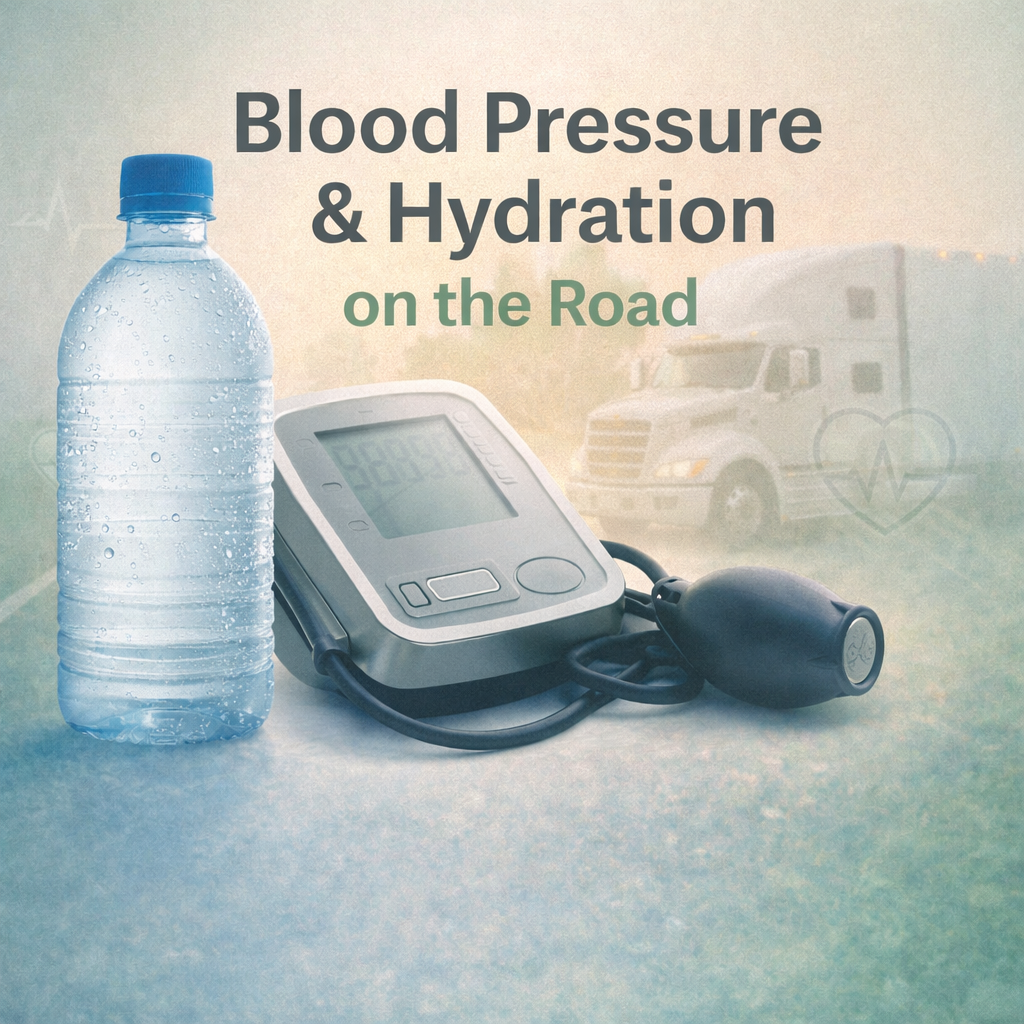
Practical Ways Truck Drivers Can Prevent Fatigue
Fatigue prevention often comes down to small daily habits rather than drastic changes.
Maintain Consistent Sleep
Whenever possible, drivers should aim for seven to nine hours of sleep within each 24-hour period.
Ways to improve sleep quality include:
keeping the sleeper berth dark and cool
avoiding phone screens before sleep
using earplugs or white noise when parked in noisy areas
These habits help stabilize the body’s natural sleep rhythm.
Stay Hydrated Throughout the Day
Regular hydration helps maintain circulation and brain function.
Drivers can improve hydration by drinking water during:
pre-trip preparation
fueling stops
meal breaks
post-trip routines
Drinking small amounts regularly is often more effective than drinking large amounts all at once.
Manage Caffeine Carefully
Caffeine can improve alertness temporarily, but excessive use can lead to energy crashes later.
A balanced strategy includes:
using caffeine early in the driving shift
limiting caffeine several hours before sleep
pairing caffeine with water to avoid dehydration
Take Movement Breaks
Even short movement breaks can increase blood flow and restore alertness.
Drivers can:
walk briefly during fuel stops
stretch arms, shoulders, and legs
perform light exercises before returning to the cab
Movement helps the body reset after long periods of sitting.
Eat Balanced Meals
Meals that combine protein, healthy fats, and complex carbohydrates provide longer-lasting energy.
Examples include:
grilled chicken with vegetables
nuts and yogurt for snacks
whole-grain sandwiches
fruit paired with protein sources
Balanced meals help stabilize blood sugar and prevent sudden energy crashes.
Take Short Rest Breaks When Needed
If fatigue begins building, drivers should pull over safely and rest.
Short naps of 20–30 minutes can significantly restore alertness and reduce fatigue temporarily.

AI-made photo
Frequently Asked Questions About Truck Driver Fatigue
How common is fatigue among truck drivers?
Fatigue is common because long driving hours and irregular schedules disrupt sleep patterns and recovery cycles.
How much sleep do truck drivers need?
Most adults require seven to nine hours of sleep within a 24-hour period to maintain alertness and health.
Can dehydration make drivers tired?
Yes. Dehydration reduces blood circulation and oxygen delivery to the brain, which can lead to fatigue and reduced concentration.
Are energy drinks a good solution for fatigue?
Energy drinks can temporarily increase alertness, but relying on them regularly may lead to energy crashes and disrupted sleep patterns.
Building Long-Term Driver Readiness
Fatigue prevention is not just about staying awake during a single trip. It is about maintaining the physical and mental stability required for long-term driving performance.
Drivers who prioritize sleep, hydration, nutrition, and stress management build stronger resilience against fatigue. These habits help maintain focus, reduce health risks, and support safer driving over time.
In an industry that demands long hours and constant attention, protecting driver readiness is essential for both individual well-being and public safety.
Sources
Federal Motor Carrier Safety Administration
Fatigue and Driver Safety
https://www.fmcsa.dot.gov/research-and-analysis/research/fatigue-and-driver-safety
National Highway Traffic Safety Administration
Drowsy Driving
https://www.nhtsa.gov/road-safety/drowsy-driving
Centers for Disease Control and Prevention
Sleep and Transportation Safety
https://www.cdc.gov/sleep
National Academies of Sciences
Water and Hydration
https://www.nationalacademies.org